Cloud & Platform / systems model
Cloud Migration
Migrate legacy applications and databases to the cloud with minimal disruption, ensuring data integrity and zero business downtime.
Service overview
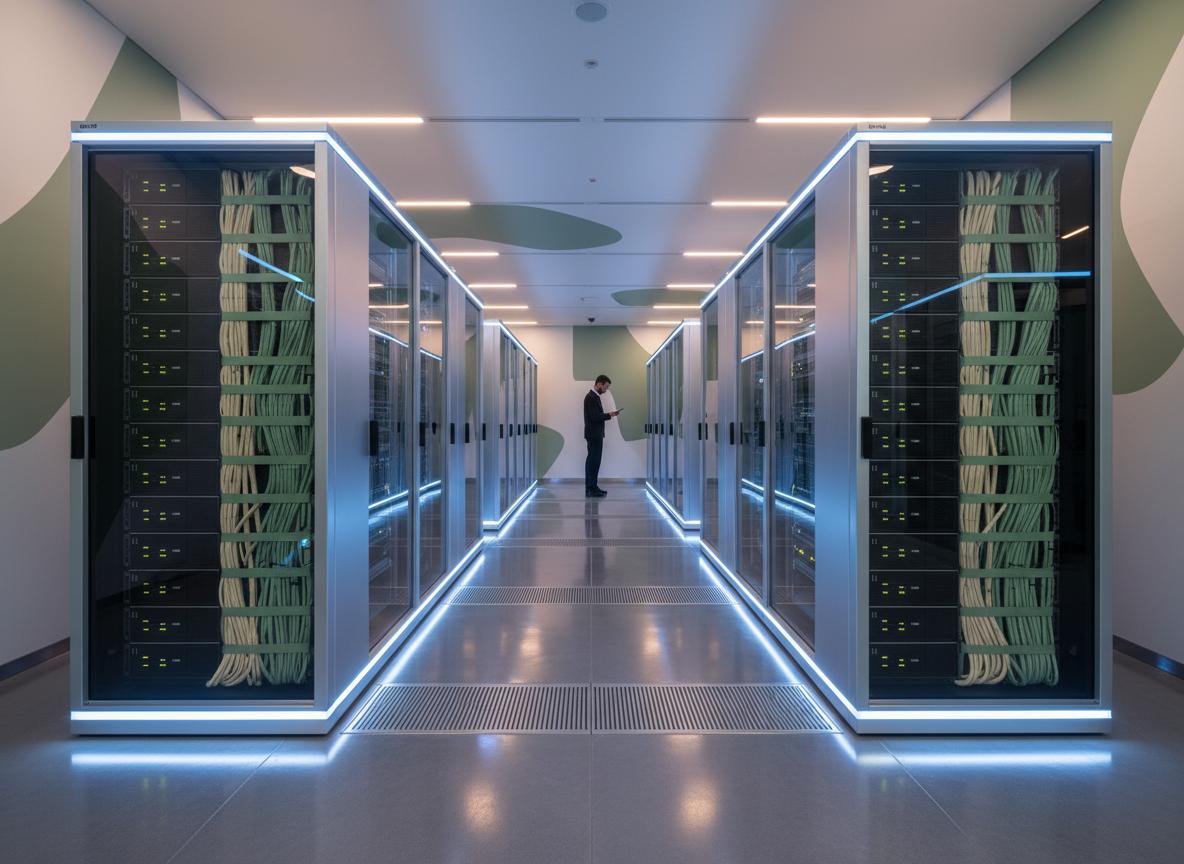
We provide end-to-end cloud migration services, taking your workloads from on-premises datacenters to modern cloud platforms. Our methodologies guarantee zero data loss and business continuity.
Whether you need a simple rehosting (lift-and-shift), replatforming to leverage cloud-native services, or refactoring for microservices, our migration experts ensure a smooth transition.
Business challenges
- 01
High risk of business disruption and extended downtime during workload transitions.
- 02
Fear of data loss or corruption when moving legacy databases to cloud environments.
- 03
Lack of internal cloud expertise to manage the complexities of a large-scale migration.
Approach
We conduct a thorough discovery phase to map application dependencies and assess migration readiness.
Our team defines a step-by-step migration strategy, choosing the best path (Rehost, Replatform, Refactor).
We execute dry runs and automated data syncs to ensure total accuracy before final cutover.
Process
- 01
Dependency Mapping
We scan your local environment to discover applications and map their data connections.
- 02
Migration Planning
We determine the migration order and build detailed runbooks for each workload phase.
- 03
Data Replication
We configure continuous data replication to keep cloud databases in sync with local sources.
- 04
Testing & Cutover
We perform comprehensive functional testing on the cloud copies before switching live traffic.
Technologies
AWS Migration Hub
Azure Migrate
Terraform
Docker
Expected benefits
- Seamless migration with zero impact on daily operations and customer transactions.
- Immediate reduction in physical datacenter maintenance costs and hardware dependency.
- Faster time-to-market for new features by utilizing cloud-native deployment paths.
- Full validation of data integrity and system behavior post-migration.
Frequently asked questions
Start a conversation